PREVIOUS POST
How to Choose Fine Art Wildlife Photography Prints for Your Home
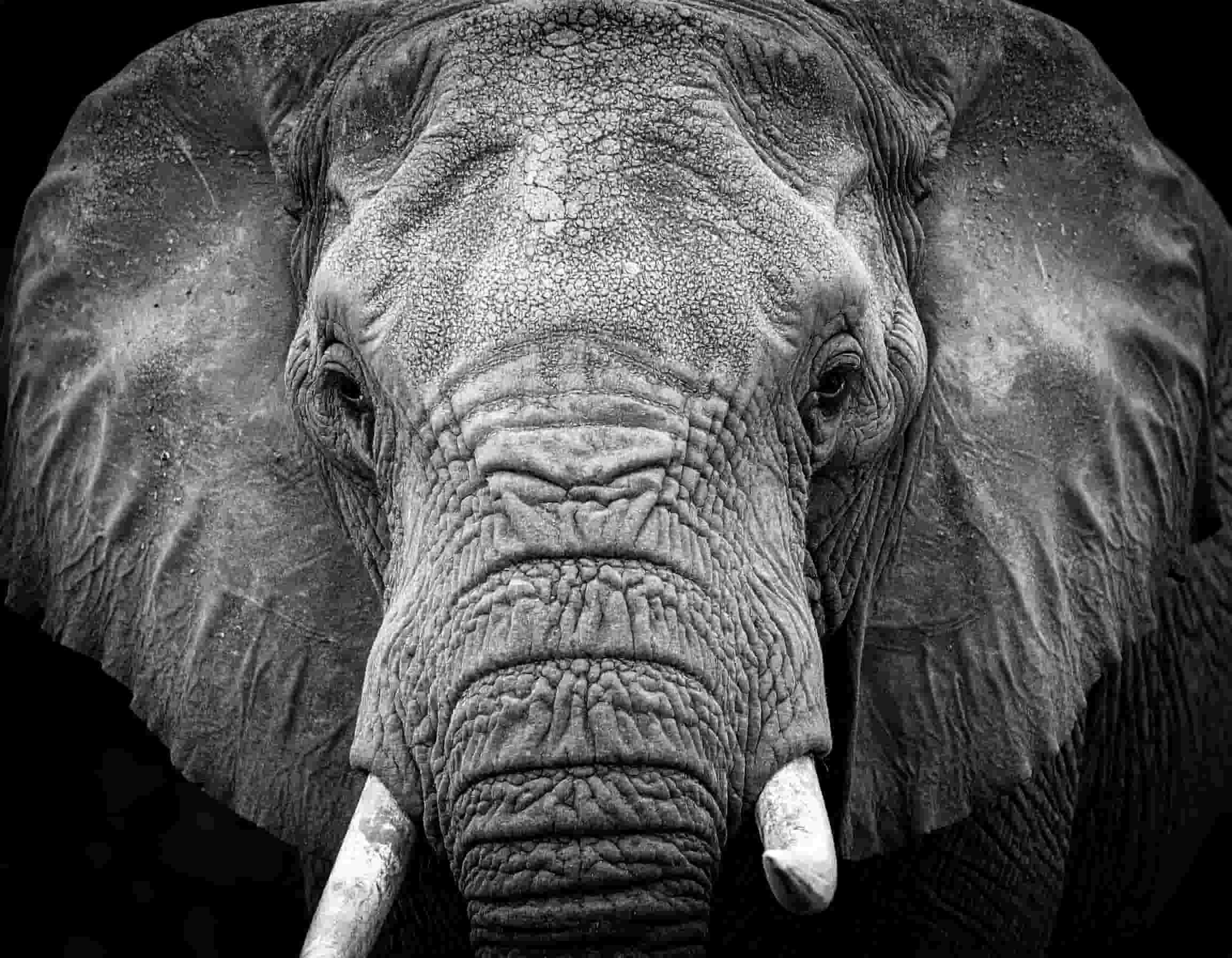
Wildlife art does something most décor simply cannot. It brings energy, scale, and raw natural beauty into a room without a single word. A well-chosen wildlife print can anchor an entire living space, set the mood of a bedroom, or turn a plain corridor into something worth pausing at.
But with so many options out there, how do you actually choose the right one? Here is a practical guide to help you pick fine art wildlife photography and wildlife photography prints that feel intentional, curated, and genuinely at home on your walls.
1. Start with the Mood You Want to Create
Before you think about sizes or frames, think about feeling. Fine art wildlife photography prints cover an enormous emotional range, and the image you choose will set the tone for the entire room.
Want something calm and meditative? Look for images with soft, diffused light. An elephant silhouetted at dusk, a lone wolf in a snowy landscape, or a heron standing perfectly still at the water's edge. These are the kinds of images that slow a room down in the best possible way.
Want something bold and energetic? Go for drama. A big cat mid-leap, birds of prey in flight, or a close-up lion portrait that holds eye contact from across the room. You will feel it the moment you walk in.
Want something warm and textural? Earthy savanna scenes, dense forest canopies, and golden-hour animal portraits bring richness and depth without overpowering a space. They work beautifully in rooms that already have a lot of warmth to them.
The right image is not always the most dramatic one. It is the one that fits the conversation you want your room to have.
2. Match the Print Medium to Your Interior Style
Here is something most people do not realise when they order wildlife photography prints as wall art: the surface the image is printed on changes everything about how it looks in your home. You have more choices than you think, and each one creates a very different effect.
Fine Art Matte Paper gives prints a painterly, almost hand-crafted quality. It absorbs light rather than reflecting it, which makes it ideal for warmer, more organic interiors.
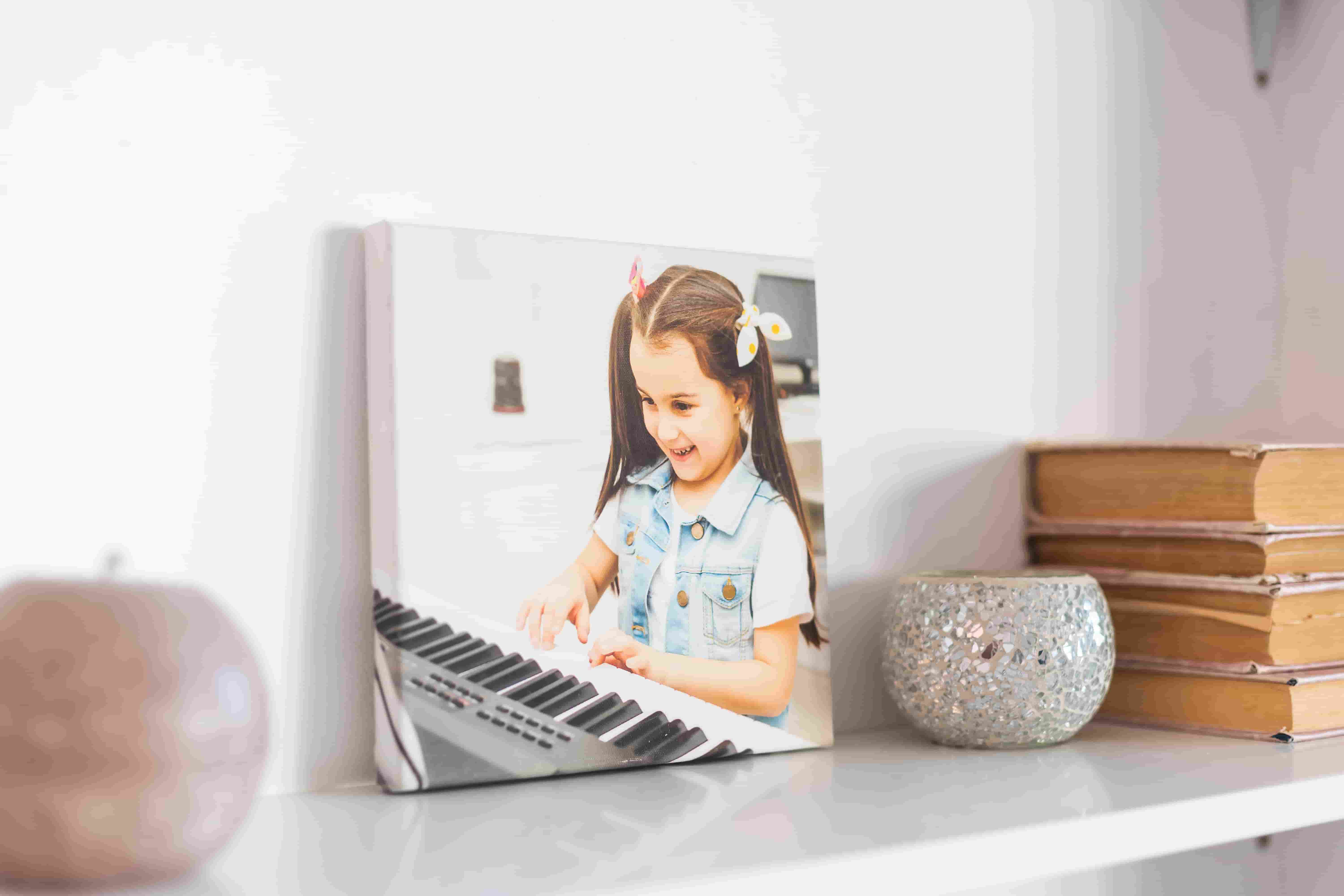
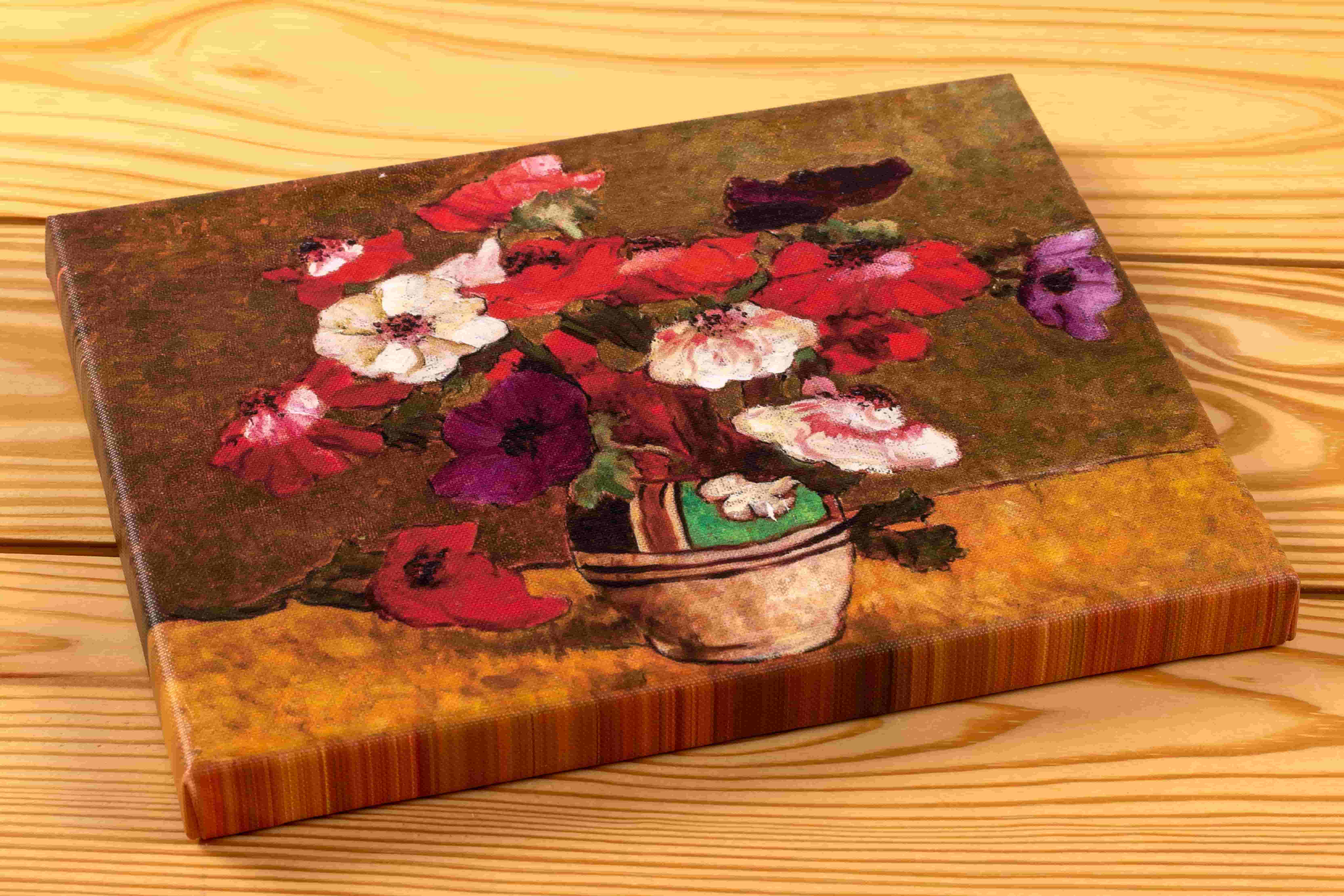
Canvas Prints add tactile depth and a gallery-like presence. They work beautifully in larger spaces where you need something that truly commands the wall.
Gloss or Semi-Gloss Prints are for when you want the image to really pop. Vivid plumage, underwater scenes, anything with jewel-like colour comes alive on a gloss surface.
A simple rule to keep in mind: match the print medium to the feel of the room, not just the image.
3. Colour That Actually Looks Like What You Chose
You have probably experienced this before. You love an image on screen, you order a print, and what arrives looks slightly flat, a little off, or just not quite the colour you expected.
This is a printing quality problem, and it matters more with high-quality art prints than almost any other subject. So much of what makes wildlife imagery beautiful is the colour nuance, the gradient across a feather, the precise warmth of a sunset sky, or the silver in a snow leopard's coat.
At Photostop, we use 11-colour Giclée printing technology. More colour channels mean a wider range of tones, ensuring your fine art wildlife photography prints retain their original depth and richness.
4. Think About Longevity Because This Is for Your Home, Not a Screensaver
Good wall art is an investment, and it should be treated like one. Unlike fast-fashion décor that fades or chips within a year or two, a properly produced print should last for decades.
That is why choosing archival photography print is essential. Photostop uses acid-free media and pigment-based inks that are rated to last over 50 years without fading.
When paired with museum-quality prints, you are not just buying décor, you are investing in artwork that stands the test of time.
5. Getting the Size and Placement Right
Scale is everything in interior décor, and wildlife art especially rewards getting this right.
Large format works for living rooms and feature walls, where a striking piece of fine art wildlife photography becomes the centrepiece. Medium sizes are perfect for bedrooms and studies, while smaller prints work best in curated gallery-style arrangements.
For placement, hang your art so the centre sits at eye level (around 57–60 inches from the floor) and avoid direct sunlight to preserve the quality of your wildlife photography prints.
6. Framing: The Detail That Ties Everything Together
The frame is the handshake between the artwork and your room.
Simple black frames work well for bold, high-contrast images, while natural wood complements earthy wildlife scenes. For a more contemporary feel, floating frames offer a clean, gallery-style presentation.
If your space gets a lot of light, consider UV-protective glass to maintain the integrity of your high-quality art prints over time.
7. You Do Not Have to Figure This Out Alone
Choosing wall art is personal, and wildlife art carries emotional weight.
At Photostop, the process goes beyond printing. From helping you select the right medium to delivering museum-quality prints with expert framing, the focus is on creating something that feels thoughtfully curated.
With 11-colour Giclée printing, archival photography prints, and end-to-end service, Photostop ensures your artwork is not just visually stunning but built to last.
Ready to Transform Your Walls?
The right wildlife print does not just decorate a room,it transforms how the space feels. Whether you are starting with a vision or exploring options, investing in fine art wildlife photography prints can bring lasting character and depth to your home.
Visit photostop.in to get started.
Leave a Reply
Your email address will not be published. Required fields are marked *