Why DPI Matters in Museum Quality Printing
What Is DPI and Why Should Artists Care?
DPI stands for dots per inch. It describes how many individual ink dots a printer places within a single inch of the printed surface.
A higher DPI means more dots packed into the same space, which translates to finer detail, smoother tonal gradations, and sharper edges. A lower DPI means fewer dots, which can produce visible grain, soft edges, and tonal banding in areas that should look perfectly smooth.
For everyday printing, moderate DPI is acceptable. For archival photo printing and fine art reproduction, it is everything.
DPI vs PPI: The Confusion Artists Run Into
These two terms are often used interchangeably but they refer to different things.
PPI (pixels per inch) describes the resolution of your digital file. This is what you control when creating or scanning artwork.
DPI (dots per inch) describes how the printer reproduces that file on paper. A professional fine art printer translates your file's pixels into microscopic ink dots at a density that determines final output quality.
The relationship between them matters enormously. Sending a low PPI file to a high DPI printer does not produce a sharp print. The printer can only work with the information you give it. This is why file preparation is as important as printing equipment when producing museum quality prints.
What DPI Is Required for Fine Art Printing?
This is where artists frequently make costly assumptions.
For fine art printing in India studios working at a professional level, the standard recommendation for most artwork is 300 PPI at the intended print size. This is the threshold at which the human eye, at a normal viewing distance, can no longer distinguish individual pixels or ink dots.
However, the right DPI also depends on viewing distance:
Small to medium prints viewed up close require 300 PPI or higher to maintain crispness in fine detail and texture.
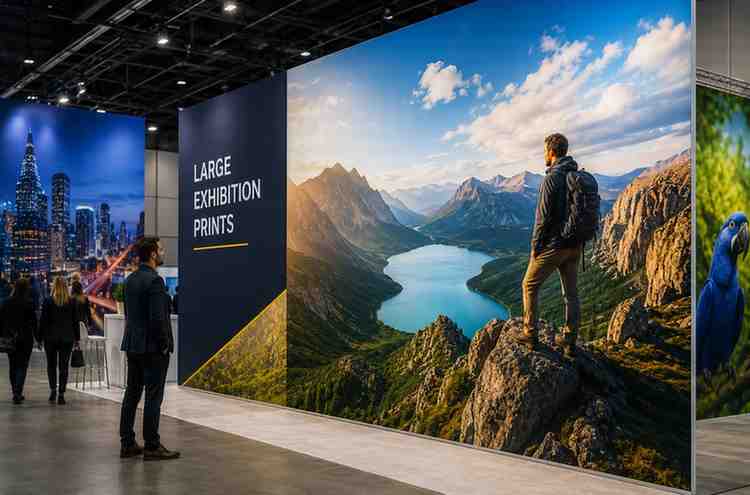
Large format prints displayed at a distance of two metres or more can often hold visual quality at 150 to 200 PPI because the viewing distance compensates for lower pixel density.
Oversized installation prints viewed from across a room can sometimes work at 100 PPI without visible quality loss.
Understanding this relationship allows artists to make informed decisions about file size, print dimensions, and output quality before committing to a full print run.
How DPI Affects Giclée Printing Specifically
Giclée printing India studios use professional inkjet printers capable of printing at 1440 DPI, 2880 DPI, or higher. These machines place ink droplets with extraordinary precision, creating smooth colour transitions and fine edge definition that standard commercial printers cannot match.
At these resolutions, subtle details in the original artwork become visible in the print in ways that can genuinely surprise artists. Fine brushwork, pencil texture, delicate watercolour washes, and intricate linework all benefit from the precision that high DPI giclée output provides.
This is also why giclée on archival paper has become the production method of choice for fine art editions, gallery reproductions, and collector prints worldwide. The combination of high DPI output and quality paper surface produces results that sit comfortably alongside hand-produced originals in exhibition settings.
The File Preparation Mistakes That Undermine Print Quality
Even with the best printing equipment available, poor file preparation produces disappointing results. The most common issues include:
Upscaling low-resolution files. Enlarging a small file to meet resolution requirements does not add real detail. It creates artificial pixels that print as soft, blurry areas. Always start with the highest resolution file possible.
Exporting at the wrong colour profile. Files prepared in RGB display well on screen but require conversion to the correct colour profile for print output. A good archival photo printing studio will handle this, but knowing it matters helps artists communicate clearly about expectations.
Ignoring bleed and border requirements. Large format prints often require additional image area beyond the final trim size. Building this into the file before submission avoids unwanted cropping of important content.
The Detail Is in the Dots
DPI is not just a technical specification buried in a printer manual. It is the invisible architecture behind every great print, the difference between an image that looks printed and one that looks alive.
At Photostop, we produce fine art printing in India with professional giclée equipment, archival pigment inks, and the precise colour management that museum quality prints demand. From file checks to final output on premium art papers, every step is handled with the care your artwork deserves.
Start your fine art print project at Photostop.in
Leave a Reply
Your email address will not be published. Required fields are marked *